
Cooking Without Processed Ingredients
Master the art of preparing whole foods with practical techniques, essential knowledge, and creative recipes that transform your kitchen into a haven of natural cooking.
The information on this site is for educational purposes only and does not constitute medical advice. Always consult a qualified healthcare professional before making health decisions.
Why Natural Cooking Matters
Learn why whole, unprocessed ingredients form the foundation of nourishing meals and how understanding them empowers you in the kitchen.
Real Ingredient Lists
Discover how to read and understand ingredient labels, recognize hidden additives, and choose items with five ingredients or fewer. Learn to identify whole foods versus processed alternatives and build confidence in your shopping decisions.
Essential Kitchen Techniques
Master fundamental cooking methods that highlight natural flavors: roasting, steaming, sautéing with quality oils, and slow-cooking. Understand how proper preparation techniques preserve nutrients and develop deeper, more satisfying tastes in simple ingredients.
Whole Ingredient Benefits
Explore the nutritional profiles of seasonal vegetables, legumes, grains, nuts, and herbs. Learn why eating foods in their natural form provides superior nutritional density compared to processed alternatives, and how to build balanced meals around whole foods.
Practical Meal Planning
Learn strategic planning methods to simplify weekly meal preparation with whole ingredients. Understand storage, preservation techniques like freezing and fermentation, and how to batch-cook effectively without requiring extensive time in the kitchen.
Flavor Development Mastery
Discover how spices, herbs, vinegars, and cooking methods create complex, satisfying flavors without relying on added sugars, salt, or chemical taste enhancers. Develop your palate and learn why simple cooking methods often produce the most delicious results.
Food Quality Standards
Understand sourcing principles, seasonal eating advantages, and how to support quality food producers. Learn about regional Italian traditions that celebrate seasonal whole foods, and how local sourcing enhances both flavor and nutritional value.
Whole Foods vs. Processed Alternatives
| Aspect | Whole Ingredients | Processed Foods |
|---|---|---|
| Ingredient Count | 1–5 simple items | 10+ with additives and preservatives |
| Fiber Content | Naturally high, especially in vegetables and whole grains | Often removed during processing |
| Added Sugars | None—only natural sugars present | Often hidden in "healthy" products |
| Shelf Stability | Requires proper storage; expires naturally | Extended shelf life via synthetic preservatives |
| Micronutrients | Retained; vitamins and minerals intact | Diminished by heat and processing; sometimes artificially added |
| Taste Profile | Complex, layered flavors from natural sources | Relies on artificial flavoring agents and excess salt/sugar |
| Cost | Often cheaper when seasonal; bulk buying saves money | Marketing and packaging increase price |
Your Journey: From Processed to Pure
A practical roadmap for transitioning your kitchen and meals to whole, unprocessed ingredients at a sustainable pace.
Audit Your Pantry
Examine current items, identify highly processed foods, and note ingredient lists. Understand what you're currently consuming as the first step toward intentional change.
Gradual Substitution
Replace processed items one by one with whole alternatives—use whole grains instead of refined bread, fresh fruit instead of sugary snacks. Small changes compound into lasting habits.
Learn Basic Techniques
Master simple cooking methods: knife skills, proper seasoning, basic stock-making. These foundations transform whole ingredients into delicious meals without complicated recipes.
Develop Smart Planning
Create meal plans around seasonal produce and whole grains. Build a reliable repertoire of simple recipes that rely on quality ingredients and intuitive cooking methods.
Sustain & Explore
Maintain your natural kitchen while discovering new ingredients, cuisines, and techniques. Cooking without processed foods becomes second nature—a sustainable lifestyle choice.
Essential Whole Ingredients for Your Kitchen
Build a foundation of quality staples that enable endless natural meals. These versatile, whole ingredients are the backbone of nutritious home cooking.
Grains & Legumes
- Brown rice, farro, bulgur, oats
- Lentils, chickpeas, dried beans
- Whole grain pasta and bread
- Quinoa and millet
Oils & Healthy Fats
- Extra virgin olive oil (cold-pressed)
- Coconut oil and ghee
- Nuts and seeds (raw)
- Nut butters without additives
Seasonings & Herbs
- Sea salt and black pepper
- Dried herbs (oregano, basil, thyme)
- Whole spices (cumin, coriander, cinnamon)
- Apple cider vinegar and balsamic vinegar
Fresh Vegetables & Fruits
- Seasonal fresh produce
- Root vegetables for storage
- Garlic, onions, tomatoes
- Fresh herbs (basil, parsley, rosemary)
Proteins & Dairy
- Eggs from quality sources
- Fresh fish and quality meats
- Plain yogurt and cheese
- Bone broth and vegetable stock
Natural Sweeteners & Specialty
- Raw honey and pure maple syrup
- Dates and dried fruits (unsweetened)
- Dark chocolate (70% cacao or higher)
- Coconut water and natural teas
Visual Guide to Whole Ingredient Shopping
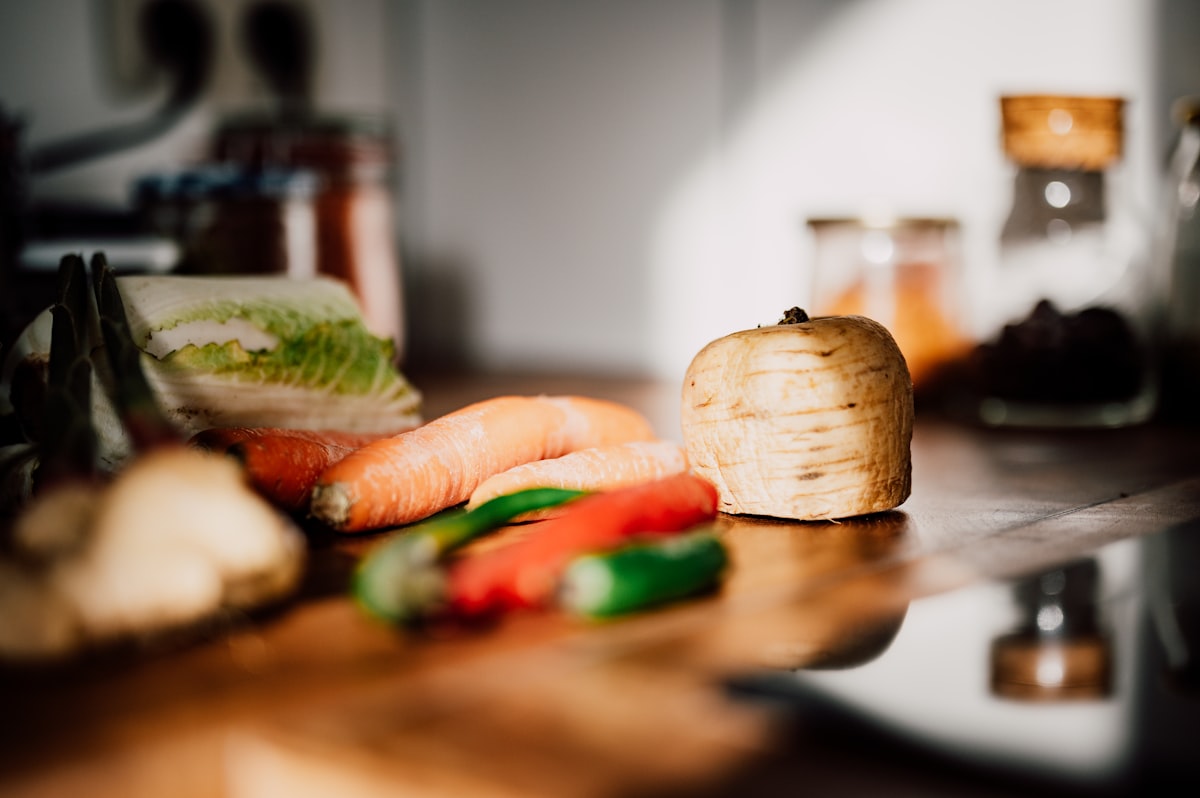
Farmers Markets & Local Sourcing
Discover seasonal produce directly from growers. Fresh, peak-ripeness vegetables offer superior flavor and nutritional density compared to supermarket alternatives.
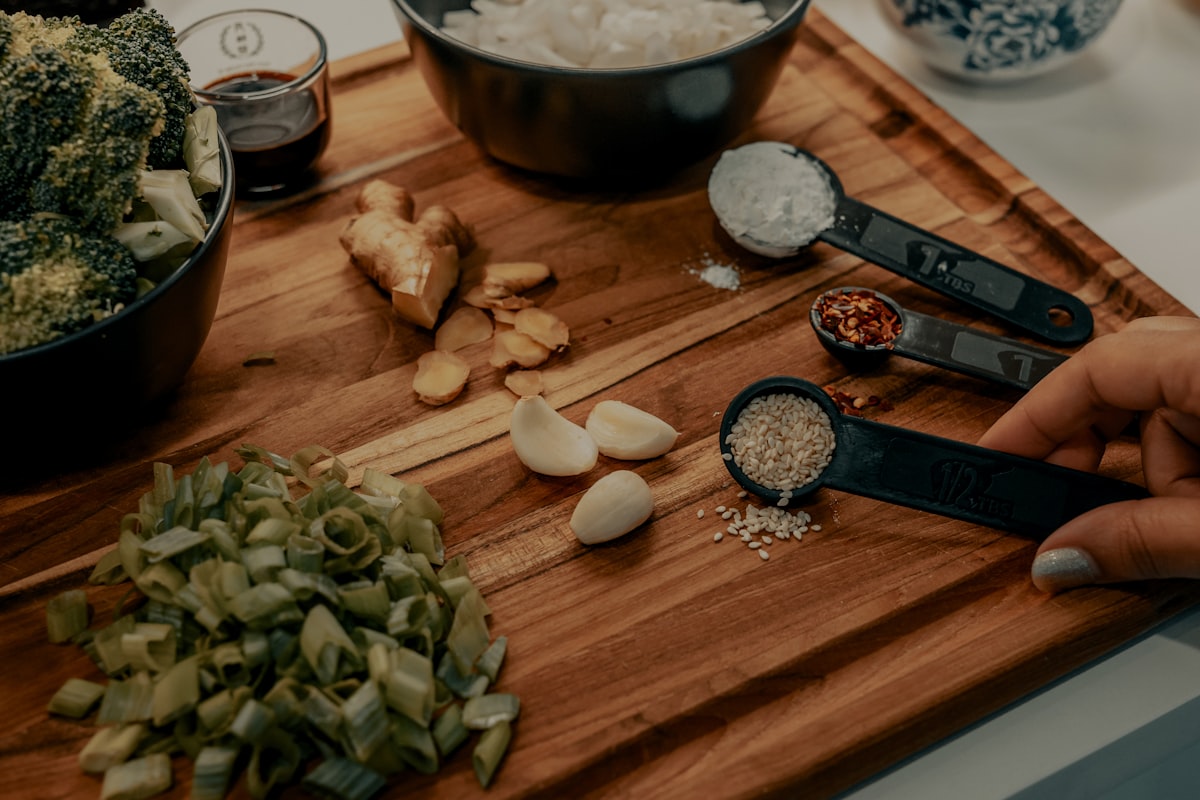
Bulk Sections: Grains & Legumes
Buy whole grains, legumes, and nuts from bulk bins. Purchase only what you need, reduce packaging waste, and save money by comparing unit prices across varieties.
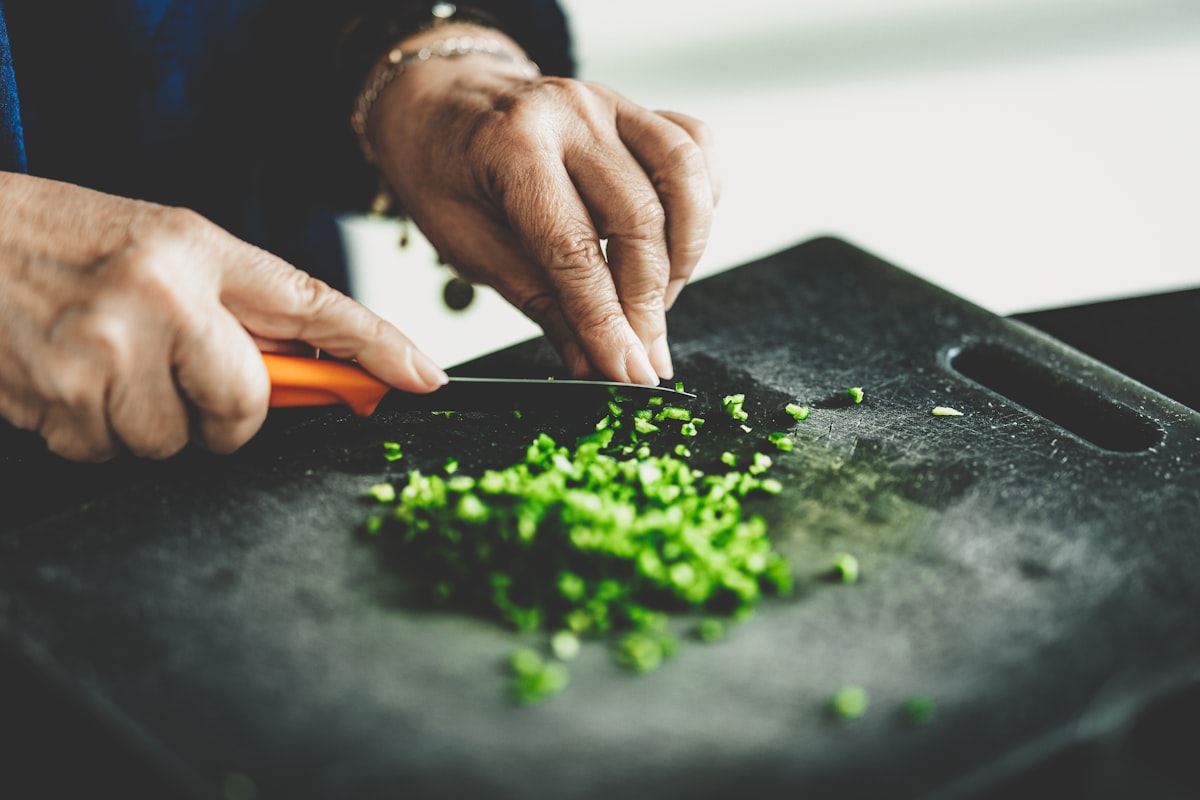
Quality Oils & Vinegars
Invest in cold-pressed, unrefined oils and aged vinegars. These flavor-rich staples transform simple vegetables and proteins into satisfying meals without artificial ingredients.
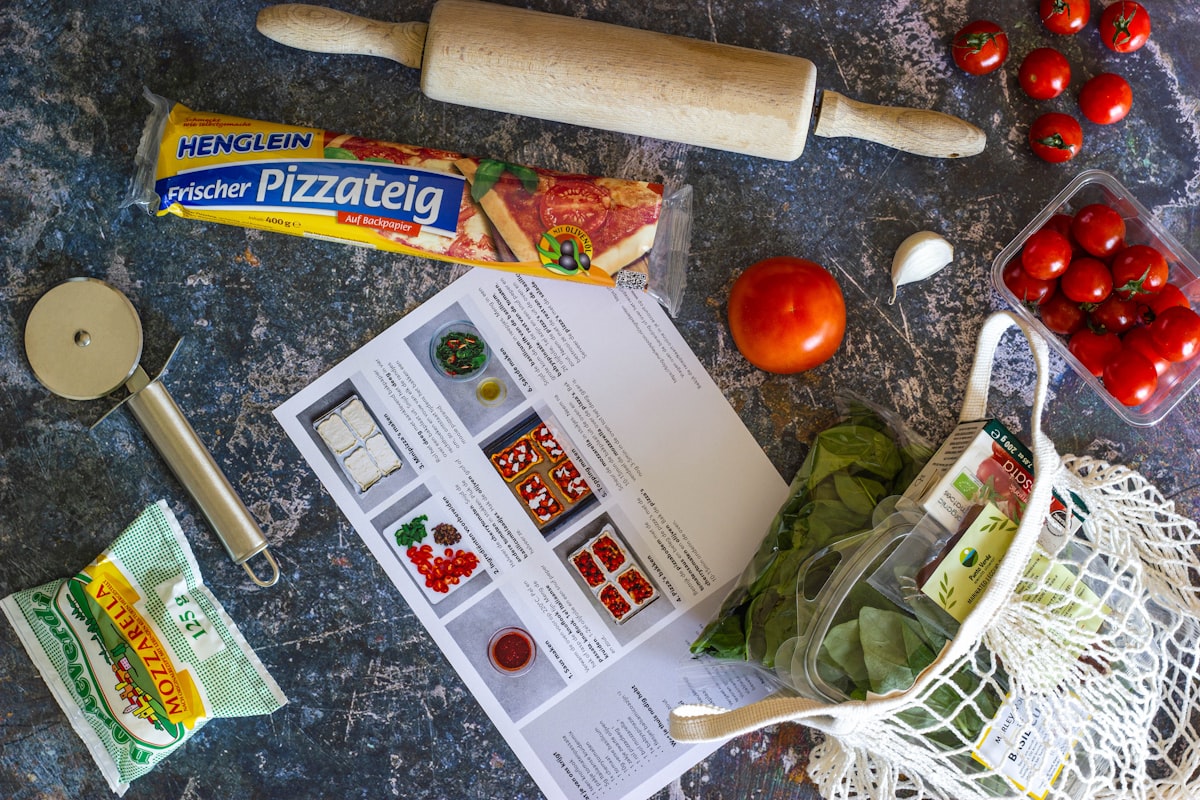
Dried Herbs & Whole Spices
Source whole spices and dried herbs from specialty stores or spice markets. Toast and grind whole spices fresh for superior aroma and flavor compared to pre-ground options.
Nuts, Seeds & Nut Butters
Purchase raw, unsalted nuts and seeds, or select nut butters with a single ingredient: the nut itself. These nutrient-dense foods anchor snacks and add body to sauces without additives.
Quality Proteins & Dairy
Seek out eggs from pasture-raised chickens, fresh fish from reputable fishmongers, and plain yogurt without added sugars. Simple, whole proteins form the foundation of balanced meals.
Common Questions About Natural Cooking
Start by buying seasonal produce, shopping at local farmers markets, and purchasing proteins in bulk. Focus on whole grains and dried legumes—they're incredibly affordable and nutritious. Gradually replace processed items as your budget allows.
Absolutely! Prepare grains, chop vegetables, and cook proteins in advance. Store them in glass containers for 3-5 days. Natural meals actually benefit from proper meal prep—it makes weeknight cooking faster and ensures you always have wholesome options ready.
Fresh herbs like basil, cilantro, and parsley add incredible flavor without additives. For spices, choose organic options: turmeric, cumin, paprika, cinnamon, and black pepper are kitchen staples. Buy whole spices when possible and grind them fresh for maximum potency.
Without preservatives, natural foods have shorter shelf lives. Fresh produce lasts 1-2 weeks, cooked meals 3-5 days. Freeze excess portions for later use. Root vegetables and winter squash last several weeks. Proper storage in cool, dark places extends shelf life naturally.
Absolutely. Natural cooking is naturally adaptable. You can easily create gluten-free, dairy-free, or vegan meals using whole ingredients. Unlike processed alternatives, you control every component, making it ideal for managing allergies and dietary needs.
What Our Community Says
Real stories from real people who've transformed their meals and their lives.
Sarah M.
"Naturalmealtime made cooking feel simple again. My family loves the meals, and I feel great knowing exactly what goes into our food. No more mystery ingredients!"
James T.
"I was skeptical about natural cooking until I tried it. The recipes are straightforward, the ingredients are affordable, and the results taste incredible. This is how food should be."
Emma L.
"My energy levels have improved so much since switching to natural meals. I sleep better, feel more focused, and my kids actually ask for vegetables now!"
Ready to Transform Your Kitchen?
Join thousands of families discovering the joy of natural, whole-food cooking. Start your journey today with Naturalmealtime.
Your privacy is important. No spam, ever.